12 Types of Speech Bubbles in Comics & What They Mean
Every speech bubble shape carries meaning. This guide shows the common comic, manga, cartoon, chat, and pixel bubble types, what each one signals, and when to use it.
Updated September 2026
What are the different types of speech bubbles?
A speech bubble (or speech balloon) is the outlined shape — usually with a pointed tail — that holds a character's words in comics, manga, cartoons, and memes, and its shape carries meaning. The four main types are:
- Speech / dialogue bubble — a rounded outline with a tail, for normal talking.
- Thought bubble — a cloud with trailing dots, for unspoken thoughts.
- Shout / exclamation bubble — a spiky burst, for yelling or impact.
- Whisper bubble — a dashed outline, for quiet or secret speech.
Beyond these four, specialized shapes signal electronic voices, narration, broadcasts, retro games, and messaging apps — all 12 types are explained with examples below.
12 Speech Bubble Types at a Glance
Use this visual overview to compare the most common speech bubble examples before jumping into the details.
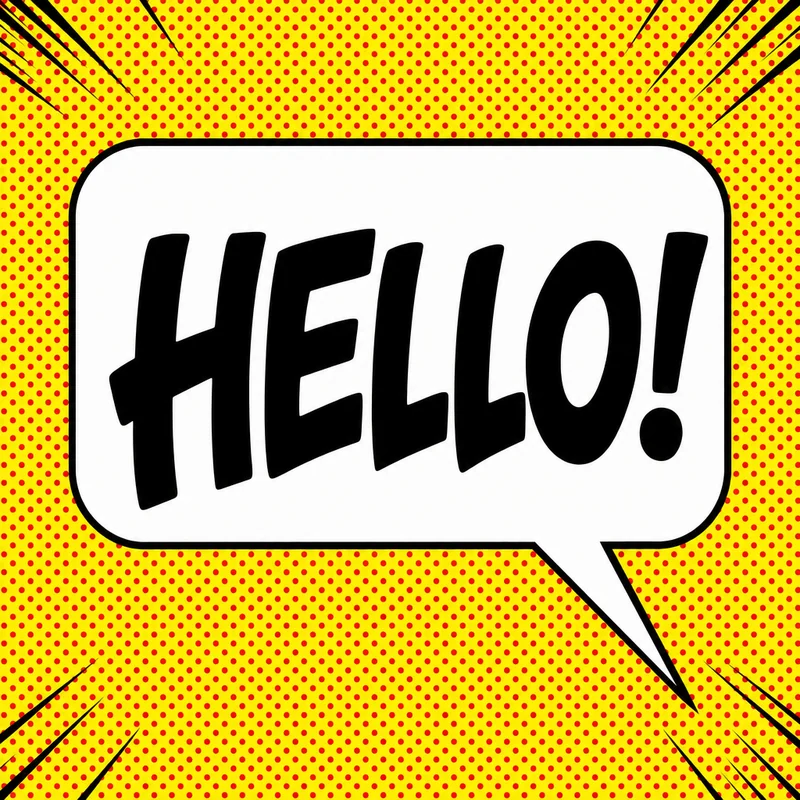
1
Classic Speech Bubble
Standard dialogue
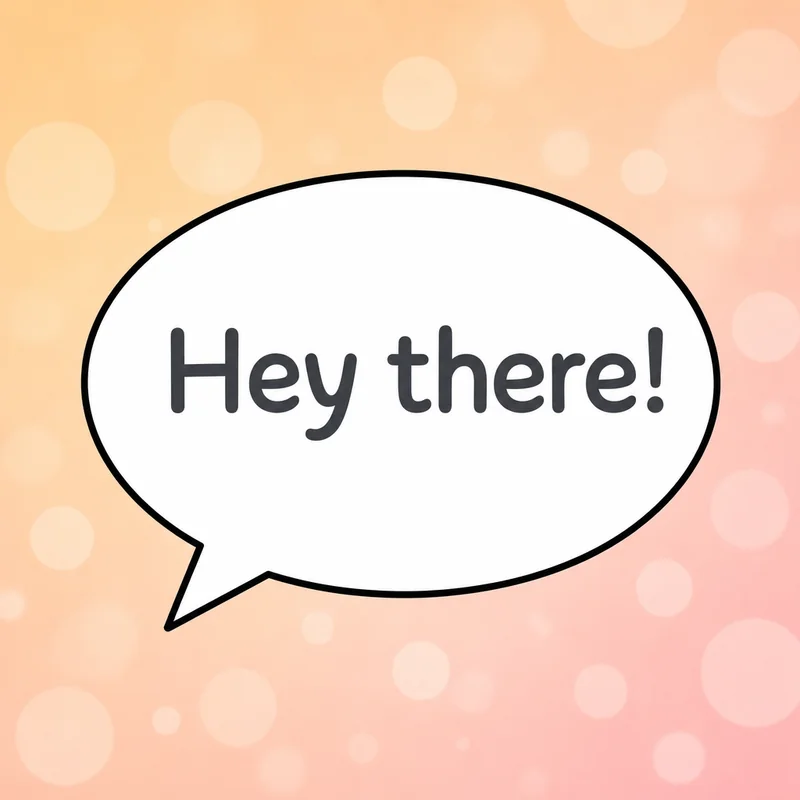
2
Round / Oval Bubble
Soft modern speech
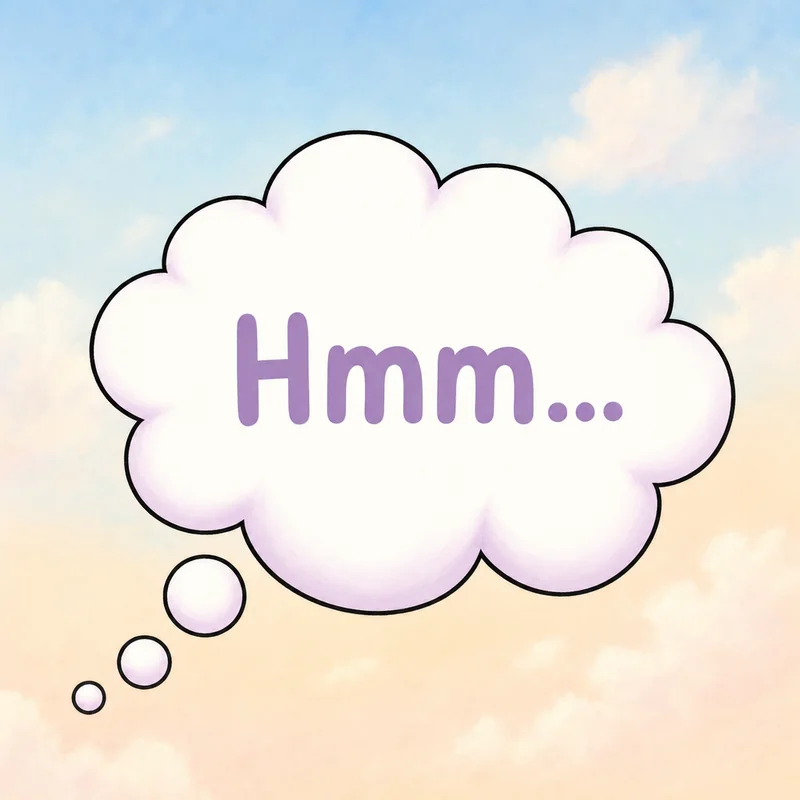
3
Thought Bubble
Inner monologue
4
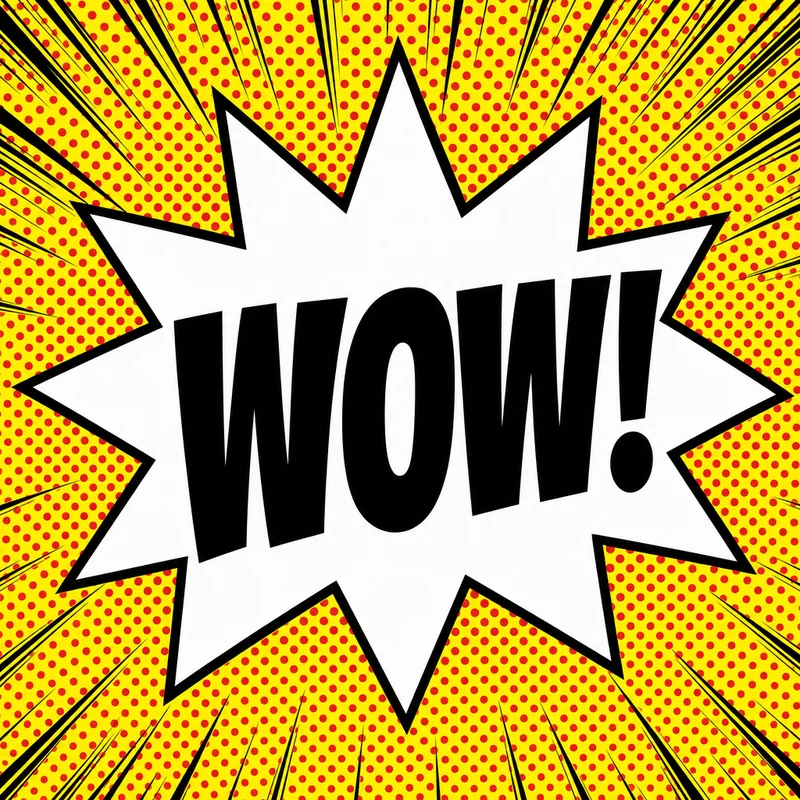
Shout Bubble
Yelling and impact
5
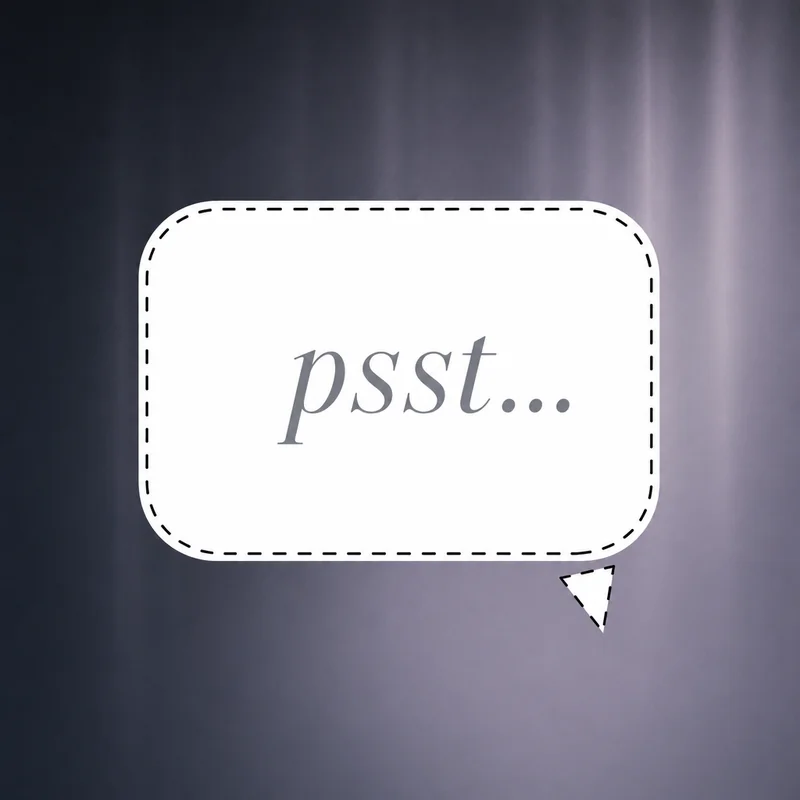
Whisper Bubble
Quiet speech
6
Jagged / Electric
Robot or filtered voice
7
Narration Box
Scene captions
8
Radio / Broadcast
Device speech
9
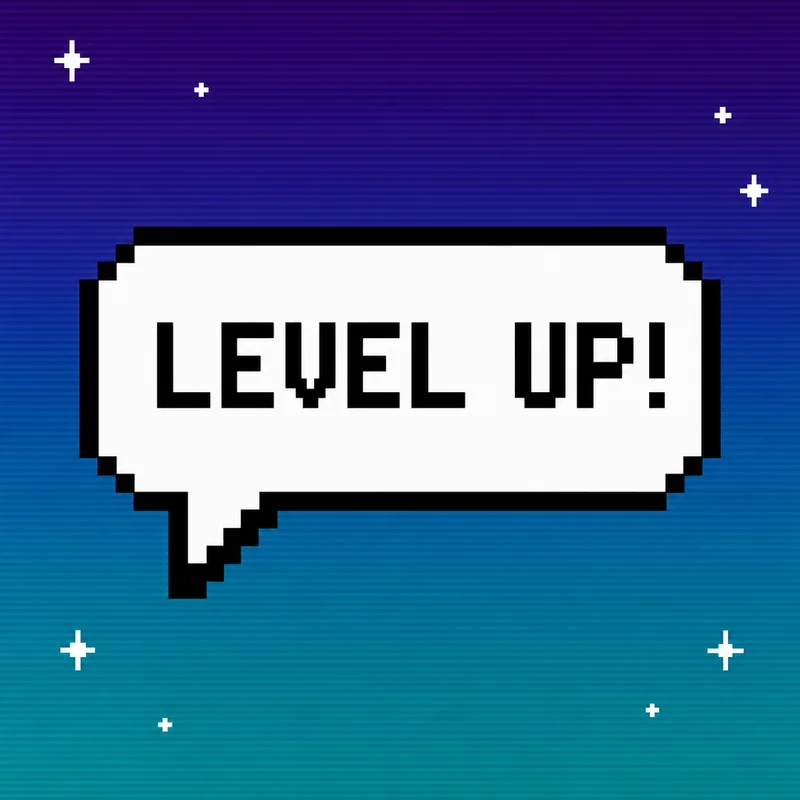
Pixel / Retro
Game dialogue
10
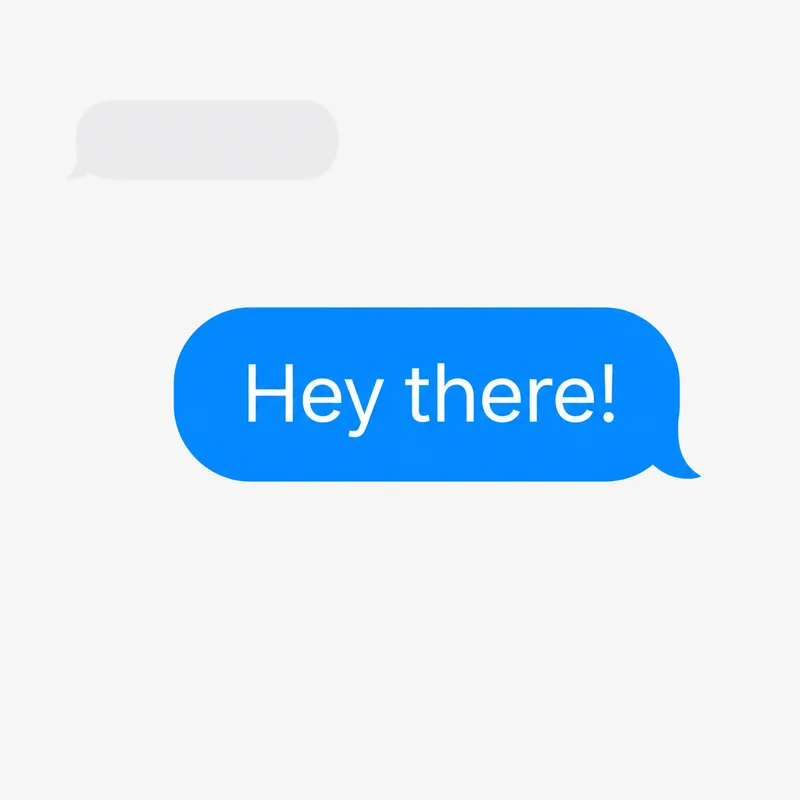
Chat / Messaging
Message screenshots
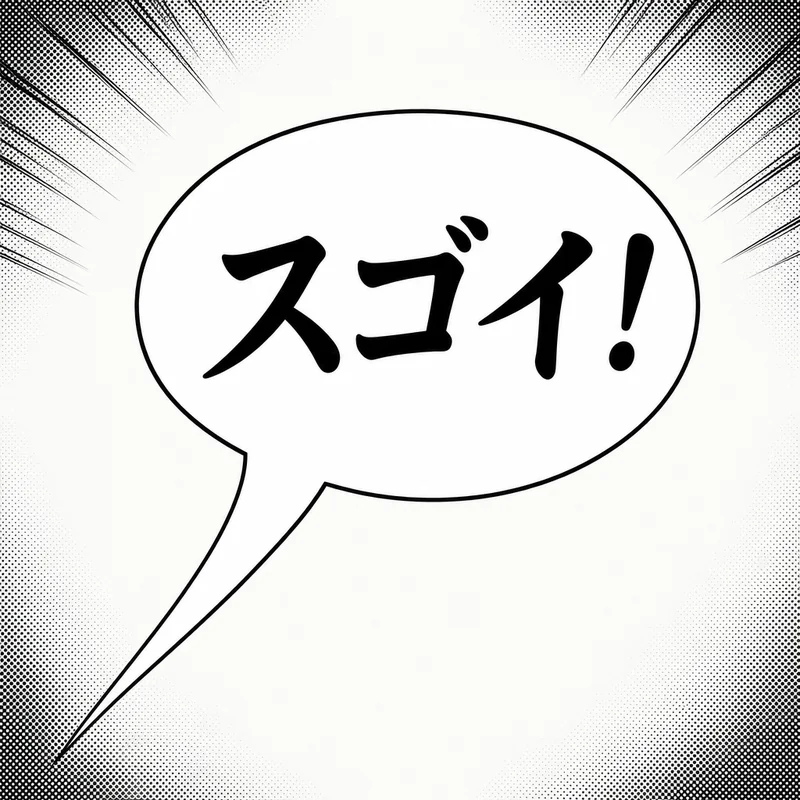
11
Manga Speed Lines
Dramatic panels
12
Emoji / Symbol
Symbols and emotion
Speech Bubble Types and Their Meanings
A quick reference for what each speech bubble shape means and when to use it.
| Type | Shape | Meaning / when to use |
|---|---|---|
| Classic | Rounded rectangle + tail | Normal spoken dialogue |
| Round / Oval | Smooth ellipse + tail | Clean, modern speech |
| Thought | Cloud + trailing dots | Unspoken thoughts, daydreams |
| Shout / Exclamation | Spiky starburst | Yelling, impact, sound effects |
| Whisper | Dashed / dotted outline | Quiet, hushed, secret speech |
| Jagged / Electric | Sharp angular spikes | Robot, AI, distorted voices |
| Narration / Caption | Rectangle, no tail | Narrator text, scene-setting |
| Radio / Broadcast | Lightning-bolt tail | Phone, TV, device speech |
| Pixel / Retro | Blocky stepped edges | Game dialogue, retro art |
| Chat / Messaging | Rounded + small corner tail | Texts, app-style screenshots |
| Manga Speed Lines | Bubble + radiating lines | Dramatic manga moments |
| Emoji / Symbol | Any shape, symbols inside | Emotions, grawlix (#@$%!) |
1. Classic Speech Bubble
The most recognizable type — a rounded rectangle (or oval) with a triangular tail pointing toward the speaker's mouth. This is the default choice for regular dialogue in comics, graphic novels, and cartoons.
2. Round / Oval Bubble
A smooth elliptical shape — cleaner and more modern than the classic rectangle. Common in European comics (like Tintin and Asterix) and contemporary graphic novels.
3. Thought Bubble
A cloud-shaped bubble with a trail of progressively smaller circles leading to the thinker's head. Used exclusively for representing inner thoughts, daydreams, and unspoken ideas.
4. Shout / Exclamation Bubble
A spiky, starburst-shaped bubble that conveys yelling, excitement, or extreme emotion. The jagged edges visually represent the intensity and volume of the speech.
5. Whisper Bubble
A speech bubble with a dashed or dotted outline instead of a solid border. The broken line suggests a quiet, hushed, or secretive tone of voice.
6. Jagged / Electric Bubble
Similar to the shout bubble but with sharper, more angular spikes — often representing electronic, robotic, or distorted speech. Think of a voice coming through a speaker, radio, or AI.
7. Narration Box (Caption Box)
A rectangular box (no tail) placed at the top or bottom of a panel. Contains narration text that isn't being spoken by a character — it's the "voice" of the story itself.
8. Radio / Broadcast Bubble
A speech bubble with a jagged, lightning-bolt-style tail (instead of a smooth triangle). This indicates that the voice is coming from a device — phone, TV, radio, intercom, or walkie-talkie.
9. Pixel / Retro Bubble
A blocky, pixelated speech bubble inspired by classic 8-bit and 16-bit video games. The edges are intentionally stepped instead of smooth, creating a nostalgic retro gaming aesthetic.
10. Chat / Messaging Bubble
Inspired by modern messaging apps like iMessage, WhatsApp, and Facebook Messenger. Rounded rectangles with a small curved tail at the bottom corner. Often colored blue (sent) and gray (received).
11. Manga Speed Lines Bubble
A speech bubble surrounded by radiating speed lines or motion marks — a signature technique in Japanese manga. The lines create a sense of urgency, intensity, or dramatic focus on the words.
12. Emoji / Symbol Bubble
Instead of text, the bubble contains symbols, icons, or pictograms — like a heart, skull, music notes, or grawlix (#@$%!). Used to express emotions or ideas without words.
Create Your Own Speech Bubbles
Upload a photo, choose one of these bubble styles, and export a PNG — no account needed.
Add a Speech Bubble to a PhotoFrequently Asked Questions
What are the 4 main types of speech bubbles?
What is a speech bubble?
What does a thought bubble mean?
What does a spiky or jagged speech bubble mean?
What does a dashed or dotted speech bubble mean?
What is a caption or narration box?
What is the difference between a speech bubble and a speech balloon?
Related articles:
Related tools: